 Beckie's Kitchen
Buttermilk Pancakes: Fluffy, Tender, and Reliable
- The short answer: medium heat and lumpy batter
- Buttermilk pancake recipe
- Step-by-step method
- How thick should pancake batter be?
- Why the first pancake is often different
- Buttermilk substitutes that actually balance
- Keep a whole batch warm without drying it out
- Troubleshooting flat, tough, or raw pancakes
- Variations that keep the base ratio intact
- Storage and reheating
The short answer: medium heat and lumpy batter
For fluffy buttermilk pancakes, whisk 2 cups flour with 2 tablespoons sugar, 2 teaspoons baking powder, 1/2 teaspoon baking soda, and 1/2 teaspoon fine salt. In another bowl, whisk 2 cups buttermilk, 2 eggs, and 4 tablespoons melted butter. Fold wet into dry just until no pockets of flour remain. Cook 1/4-cup portions on a lightly greased griddle over medium heat, flipping when bubbles rise and the edges look set.
The batter should be thick enough to spread slowly, not pour like milk. Small lumps are correct. A smooth, vigorously beaten batter develops too much gluten and knocks out some of the gas the leaveners produce, giving you pancakes that are neat but tough.
Buttermilk pancake recipe
Makes: 14 to 16 pancakes, about 4 inches wide
Serves: 4 to 6
Prep: 10 minutes
Cook: 20 minutes
Ingredients
- 2 cups all-purpose flour, spooned and leveled (240 g)
- 2 tablespoons granulated sugar (25 g)
- 2 teaspoons baking powder (8 g)
- 1/2 teaspoon baking soda (about 2 g)
- 1/2 teaspoon fine salt (3 g)
- 2 cups well-shaken buttermilk (480 ml)
- 2 large eggs
- 4 tablespoons unsalted butter, melted and slightly cooled (57 g)
- 1 teaspoon vanilla extract, optional
- Neutral oil or additional butter for the griddle
The recipe uses both baking powder and baking soda. Baking powder supplies reliable lift, while baking soda reacts with the acidic buttermilk and helps browning. Do not increase either one for taller pancakes; excess leavener can create a bitter or soapy taste and a pancake that rises quickly, then collapses.
Equipment
Use a large mixing bowl, medium bowl, whisk, flexible spatula, 1/4-cup measure, and a heavy skillet or griddle. A thin pan develops hot spots and scorches one side while the center remains wet. An electric griddle is useful for a large batch, but a cast-iron or heavy nonstick skillet works just as well.
Step-by-step method
- Warm the griddle. Set a heavy skillet over medium heat, or heat an electric griddle to 350°F (175°C). Give it several minutes to heat evenly while you mix the batter.
- Combine the dry ingredients. Whisk the flour, sugar, baking powder, baking soda, and salt in a large bowl. Break up any small leavener clumps now; they are unpleasant in a finished pancake.
- Combine the wet ingredients. In a second bowl, whisk the buttermilk, eggs, melted butter, and vanilla. The butter may form tiny beads when it meets cold buttermilk. That is harmless. Large solid pieces mean the butter was too cool; let the mixture stand briefly and whisk again.
- Fold, do not beat. Pour wet into dry. Use a spatula to fold from the bottom until no dry flour pockets remain. The batter will be lumpy and thick. Stop mixing there.
- Test the pan. Flick on a few drops of water; they should sizzle and disappear, not sit still or vanish explosively. Lightly grease the surface, then wipe away visible pools with a folded paper towel held in tongs.
- Portion the batter. Scoop 1/4 cup per pancake, leaving room for each to spread. Do not press the batter flat.
- Cook the first side. Let the pancakes cook for about 2 to 3 minutes. Flip when bubbles appear across the surface, several have burst and stayed open, and the outer edge looks matte rather than wet.
- Flip once. Slide a thin spatula fully underneath and turn with one confident motion. Cook the second side for about 1 to 2 minutes, until golden and the center springs back lightly.
- Adjust between batches. If the exterior darkens before bubbles set, reduce the heat. If the first side stays pale after 3 minutes, raise it slightly. Wipe away burnt butter solids before greasing again.
Do not taste raw batter. Flour and eggs are raw ingredients, and the batter needs to be cooked before eating.
How thick should pancake batter be?
Correct batter falls from the scoop in a thick ribbon and spreads into a circle on its own over several seconds. It should not hold the exact shape of the measuring cup, and it should not run across the pan like crepe batter.
Flour measurement and buttermilk thickness vary. If the batter barely spreads, fold in buttermilk 1 tablespoon at a time. If it runs thin and makes flat, lacy edges, fold in 1 tablespoon of flour. Make the smallest correction possible and wait until the first test pancake cooks before adjusting again.
Resting is optional. Five minutes while the griddle finishes heating lets the flour hydrate, but a long rest spends some of the leavening reaction before the batter reaches the pan. Mix when you are ready to cook, not an hour before breakfast.
Why the first pancake is often different
The first pancake tests three variables at once: surface heat, amount of fat, and batter thickness. Treat it as useful information. A pale first pancake means the pan needs more time or slightly more heat. A dark ring with a raw middle means the heat is too high. A mottled surface often comes from excess fat pooling around the batter.
Once the temperature stabilizes, later pancakes should brown more evenly. A very light film of oil produces consistent color. Butter tastes good but its milk solids darken during repeated batches, so neutral oil is easier for the cooking surface. You can keep the melted butter in the batter for flavor.
Buttermilk substitutes that actually balance
Real cultured buttermilk gives the best combination of tang, thickness, and acidity. If you do not have it, make enough substitute for this recipe by putting 2 tablespoons (30 ml) lemon juice or white vinegar in a measuring jug and adding milk to reach 2 cups (480 ml) total. Stir and let it stand for 5 minutes.
The substitute will usually be thinner than cultured buttermilk, so hold back 2 tablespoons at first and add them only if the batter needs loosening. Plain yogurt can also work: whisk 1 cup (240 ml) plain yogurt with 1 cup (240 ml) milk. Avoid sweetened or strongly flavored yogurt because it changes both sugar and taste.
Do not replace buttermilk with plain milk without changing the leavening. The baking soda is included for an acidic batter; plain milk removes much of that acid and changes flavor, browning, and rise.
Keep a whole batch warm without drying it out
Set the oven to 200°F (95°C) and place a wire rack over a sheet pan. Move finished pancakes to the rack in a single layer. The rack lets steam escape so the bottoms do not turn wet, while the low oven keeps the batch warm.
Do not hold them much longer than 20 to 30 minutes. Pancakes continue losing moisture in the oven. For a slow breakfast, it is better to serve in rounds than to cook everything an hour early.
Troubleshooting flat, tough, or raw pancakes
| Problem | Likely cause | Fix |
|---|---|---|
| Flat and dense | Old leavener, thin batter, or long rest | Use fresh leavener; correct consistency; cook promptly |
| Tough or rubbery | Batter overmixed | Fold only until dry flour disappears |
| Dark outside, raw center | Pan too hot or pancakes too large | Lower heat; keep portions to 1/4 cup |
| Pale and dry | Heat too low, so cooking takes too long | Raise heat slightly after the test pancake |
| Burnt spots | Pooled butter or scorched milk solids | Use a thinner film of fat and wipe the pan |
| Uneven shape | Batter too thick or scoop poured off-center | Thin by tablespoons and pour straight down |
| Bitter or soapy | Too much baking powder or soda | Level the measuring spoons; do not improvise extra lift |
If the first pancake is raw in the middle, do not simply leave the rest on longer at the same heat. Reduce the burner so heat has time to reach the center before the surface burns.
Variations that keep the base ratio intact
Fold up to 1 cup of blueberries or chocolate chips into the finished batter, or scatter a few onto each pancake after portioning. Adding them on the griddle distributes them evenly and keeps berry juice from streaking the whole bowl. Frozen blueberries can go on frozen; expect an extra minute and some purple marks.
For lemon pancakes, rub the zest of one lemon into the sugar before mixing. For cinnamon, add 1 teaspoon to the dry ingredients. Avoid adding a large volume of watery fruit puree without rebalancing the flour; if banana is the goal, our one-bowl banana bread is designed around that extra moisture.
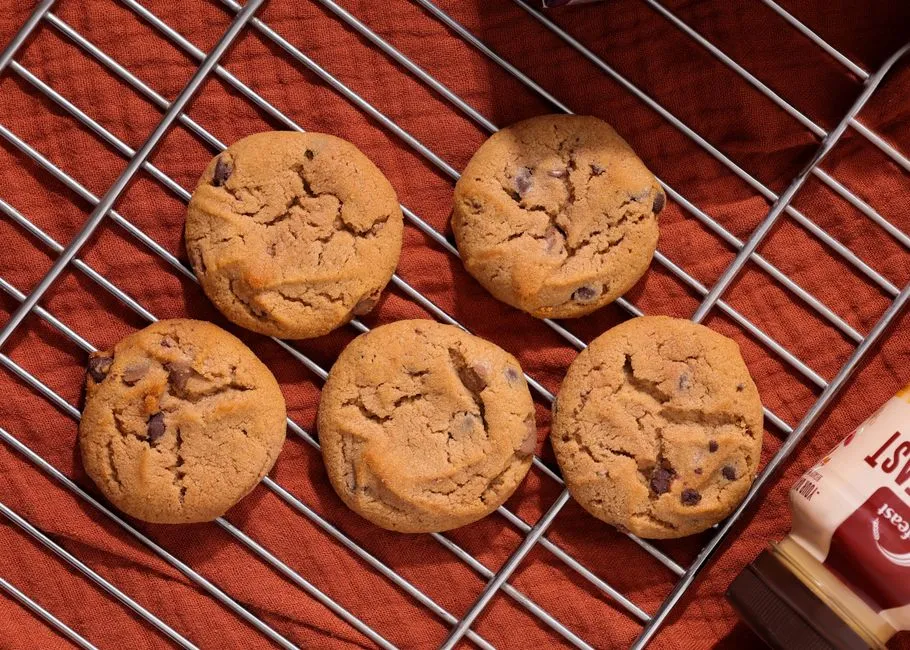
Chocolate lovers can use chips here and save the rest of the bag for soft chocolate chip cookies. Both recipes rely on melted butter, but pancake batter needs a light hand while cookie dough benefits from thorough initial mixing before flour enters.
Storage and reheating
Cool leftover pancakes, refrigerate them in a covered container within 2 hours, and use them within 3 to 4 days. Layer parchment between them to prevent sticking. For longer storage, freeze in a single layer, then transfer to a freezer bag for up to 2 months for best texture.
Reheat refrigerated pancakes in a toaster or a 350°F (175°C) oven until hot. A microwave is fast but softens the edges; cover loosely and heat in short intervals. Frozen pancakes can go directly into a toaster if the appliance directions permit it, or into the oven on a rack.
The repeatable formula is simple: measured leavener, acidic buttermilk, lumpy batter, a properly heated pan, and one flip. Once the test pancake tells you the heat is right, the rest of breakfast becomes assembly. More measured bakes live in the baking collection.
Frequently asked questions
Why does buttermilk make pancakes fluffy?
Buttermilk supplies acidity that reacts with baking soda, while baking powder supplies additional dependable lift. Its thickness also helps the batter hold bubbles rather than spread too quickly. The benefit still depends on correct measurements and gentle mixing; adding extra soda or beating the batter smooth can produce worse texture and an off taste.
Should pancake batter rest before cooking?
A short rest of about 5 minutes while the griddle heats can help the flour hydrate, but it is not required. Avoid preparing the batter far in advance because the leaveners begin working once wet. For the best rise, mix when the cooking surface is nearly ready and cook the batch without a long delay.
How do I know when to flip a pancake?
Flip when bubbles appear across the top, several bubbles have burst and remain open, and the outer edge looks matte rather than wet. The bottom should be golden and release cleanly from the pan. Cook the second side until golden and springy, usually for less time than the first.
Can I substitute milk for buttermilk in pancakes?
Plain milk changes the acidity and thickness, so it is not a direct swap in this formula. For 2 cups of substitute, add 2 tablespoons lemon juice or white vinegar to a jug, then add milk to reach 2 cups total. Because this mixture is thinner than cultured buttermilk, hold back a little and adjust the batter.
Why are my pancakes raw in the middle?
The pan is probably too hot, the pancakes are too large, or the batter is unusually thick. Lower the heat so the center can cook before the surface burns, keep each portion near 1/4 cup, and loosen batter that barely spreads with buttermilk one tablespoon at a time. Never eat raw batter.
Can you freeze buttermilk pancakes?
Yes. Cool them completely, freeze them in a single layer, then stack them in a freezer bag with parchment between layers. Use within about 2 months for best texture. Reheat from frozen in a toaster if its directions allow, or on a rack in a 350°F oven until hot.