 Beckie's Kitchen
Banana Bread Recipe: Moist One-Bowl Loaf, No Mixer Needed
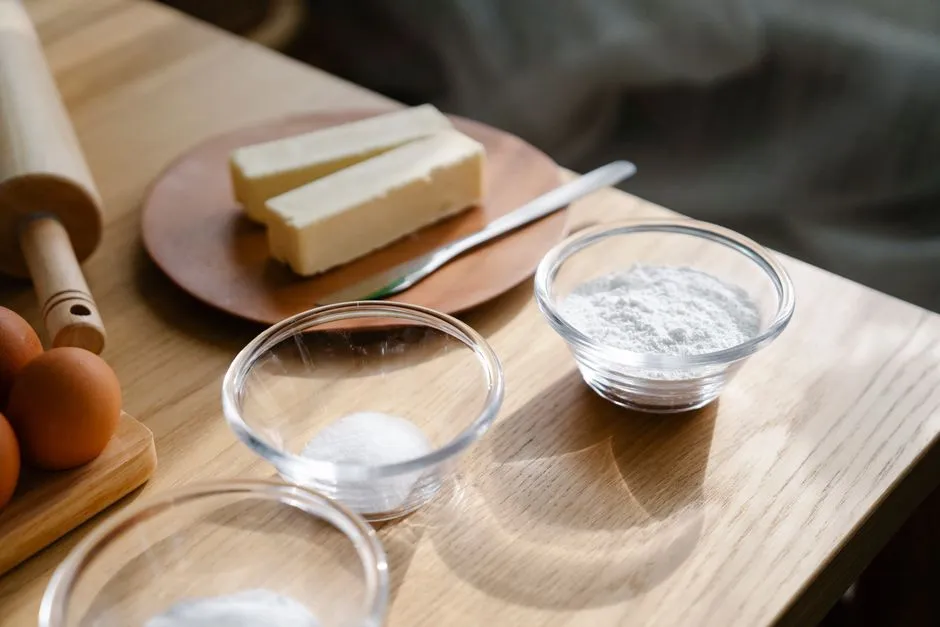
How to Make Banana Bread: The Short Answer
Banana bread is a quick bread, which means it rises with baking soda instead of yeast — no kneading, no proofing, no mixer. Mash 3 very ripe bananas in a large bowl, stir in melted butter, brown sugar, eggs, and vanilla, then fold in flour, baking soda, and salt just until no dry streaks remain. Scrape the batter into a greased 9x5-inch loaf pan and bake at 350°F (175°C) for 55 to 65 minutes, until a toothpick comes out with a few moist crumbs.
That's the whole method. One bowl, one whisk, one spatula, and about 10 minutes of hands-on work before the oven takes over. The rest of this page covers the exact measurements, the timing for different pans, and the handful of details that separate a moist, deeply banana-flavored loaf from a dry or gummy one.
Why This Recipe Works
Three decisions do most of the heavy lifting here:
- Melted butter instead of creamed. Creaming softened butter with sugar builds an airy, cake-like crumb — great for chocolate chip cookies, but not what you want in banana bread. Melted butter coats the flour more thoroughly, which gives you a denser, moister crumb and lets you skip the mixer entirely.
- Very ripe bananas, and plenty of them. Three medium bananas — about 1 1/4 to 1 1/2 cups mashed — is enough fruit that the loaf tastes like banana, not like sweet bread with banana in the vicinity. Riper bananas are sweeter and softer, so they mash smoothly and flavor every bite.
- Brown sugar, not white. Brown sugar's molasses adds moisture and a light caramel note that flatters banana. It also keeps the loaf softer on day two and three.
Everything else is restraint: stir the batter as little as possible, and pull the loaf when it's done rather than when the timer says so.
Ingredients
This makes one 9x5-inch loaf, about 10 slices. Measurements are given in cups and grams; if you own a kitchen scale, use the grams — flour is the ingredient people most often over-measure by cup.
| Ingredient | Volume | Weight |
|---|---|---|
| Very ripe bananas, mashed | 3 medium (1 1/4–1 1/2 cups) | about 300 g |
| Unsalted butter, melted | 1/2 cup (8 tablespoons) | 113 g |
| Light brown sugar, packed | 3/4 cup | 150 g |
| Large eggs | 2 | — |
| Vanilla extract | 1 teaspoon | — |
| All-purpose flour | 1 3/4 cups | 220 g |
| Baking soda | 1 teaspoon | — |
| Fine salt | 1/2 teaspoon | — |
| Ground cinnamon (optional) | 1/2 teaspoon | — |
Notes on substitutions. Salted butter works — just cut the added salt to 1/4 teaspoon. Granulated sugar works in place of brown; the loaf will be slightly less moist and less caramel-toned. If your bananas are on the small side, err toward more banana rather than less; a little extra makes the loaf moister, while a big shortfall makes it bland and dry.
Step-by-Step Instructions
- Heat the oven to 350°F (175°C) with a rack in the center. Grease a 9x5-inch metal loaf pan, or line it with parchment paper with overhang on the long sides so you can lift the loaf out.
- Mash the bananas in a large bowl with a fork or potato masher. A few small lumps are fine — they bake into pockets of concentrated banana flavor. You want about 1 1/4 to 1 1/2 cups of mash.
- Whisk in the wet ingredients. Add the melted butter (warm is fine, hot is not — let it cool a minute so it doesn't scramble the eggs), brown sugar, eggs, and vanilla. Whisk until smooth and glossy.
- Add the dry ingredients. Sprinkle the baking soda, salt, and cinnamon evenly over the surface, then add the flour. Switch to a spatula and fold just until the last streak of dry flour disappears. The batter should look thick and slightly lumpy. Stop there — overmixing develops gluten, and gluten is what makes quick breads tough and tunneled.
- Bake. Scrape the batter into the pan, smooth the top, and bake 55 to 65 minutes. If the top is browning quickly at the 40-minute mark, tent it loosely with foil and keep baking.
- Check for doneness. A toothpick inserted in the center should come out with a few moist crumbs clinging to it — not wet batter, not bone dry. If you own an instant-read thermometer, the center should read 200–205°F (93–96°C).
- Cool before slicing. Let the loaf rest in the pan for 10 minutes, then turn it out onto a wire rack. Wait at least 30 more minutes before cutting; the crumb is still setting, and a hot loaf slices gummy even when it's perfectly baked.
How Long to Bake Banana Bread
At 350°F (175°C), a standard 9x5-inch loaf takes 55 to 65 minutes. Pan size changes the math more than most recipes admit, because the same batter baked deeper or shallower cooks at a different rate:
| Pan | Approximate time at 350°F | Notes |
|---|---|---|
| 9x5-inch loaf | 55–65 minutes | The standard; start checking at 55 |
| 8.5x4.5-inch loaf | 60–70 minutes | Batter sits deeper, so the center needs longer |
| 12-cup muffin tin | 20–25 minutes | Fill cups about 3/4 full |
| Two mini loaf pans | 35–45 minutes | Start checking early; minis vary widely |
Treat every number above as a starting point, not a verdict. Ovens run hot or cold, dark pans brown faster than light ones, and glass pans lag behind metal. The doneness cues below outrank the clock.
How to Tell When Banana Bread Is Done
- Toothpick test: inserted in the center, it comes out with moist crumbs but no wet batter. Test near the middle, not the edge — the edges finish first.
- Internal temperature: 200–205°F (93–96°C) at the center. The same instant-read thermometer that keeps baked chicken breast juicy takes all the guesswork out of quick breads too.
- Look and feel: the top is deep golden brown and cracked down the middle, the edges pull slightly away from the pan, and the center springs back from a gentle press instead of sinking.
The classic failure is pulling the loaf when the top looks done but the center is still batter. Banana bread browns early because of all that sugar; color alone is not a doneness cue. When in doubt, give it 5 more minutes under a foil tent.
The Riper the Banana, the Better the Bread
The best banana bread bananas look like a mistake: heavily speckled or mostly brown, fragrant, and soft enough to mash with a fork. As a banana ripens, its starch converts to sugar, so an overripe banana is measurably sweeter and far easier to blend into the batter than a firm yellow one. Bananas that are yellow with green tips will bake up starchy and bland — wait, or speed things up:
- Counter method (2–3 days): put the bananas in a closed paper bag. The ethylene gas they release accumulates and accelerates ripening.
- Oven method (about 30 minutes): bake unpeeled bananas on a foil-lined sheet at 300°F (150°C) until the peels turn black and the fruit is soft. Cool before peeling. This softens and concentrates them, though the flavor is a step behind naturally overripe fruit.
- Freezer stash (anytime): overripe bananas freeze beautifully. Peel them first, freeze in a zip-top bag, and thaw at room temperature when the baking urge hits. Thawed bananas release liquid — stir it into the mash rather than pouring it off; it's flavor.
One caveat: overripe is not spoiled. Skip any banana that's leaking, moldy, or fermented-smelling.
Troubleshooting
| Problem | Likely cause | Fix next time |
|---|---|---|
| Dense and gummy | Overmixed batter, or underbaked | Fold until just combined; bake to 200–205°F internal |
| Dry and crumbly | Too much flour, or overbaked | Weigh the flour (220 g); start toothpick tests at 55 minutes |
| Sunken center | Underbaked, or oven door opened early | Keep the door shut for the first 45 minutes; verify with a thermometer |
| Burnt top, raw middle | Oven runs hot, or pan too small | Tent with foil at 40 minutes; check with a standalone oven thermometer |
| Bland flavor | Bananas not ripe enough | Use heavily speckled or brown-skinned bananas |
| Stuck to the pan | Under-greased pan | Use the parchment sling; it makes removal foolproof |
Easy Variations
The base recipe takes add-ins well. Fold in any one of these with the last few strokes of mixing:
- Chocolate chips: 3/4 cup semisweet chips. If you're already a chocolate person, our soft and chewy chocolate chip cookies use the same melted-butter, no-mixer logic.
- Toasted nuts: 3/4 cup chopped walnuts or pecans. Toast them in a dry skillet for a few minutes first — it deepens the flavor noticeably.
- Cinnamon swirl: stir 2 tablespoons granulated sugar with 1 teaspoon cinnamon; layer half the batter, sprinkle, top with remaining batter, and drag a knife through once.
- Crunchy top: sprinkle 1 tablespoon coarse or granulated sugar over the batter before baking for a crackly lid.
Resist stacking multiple heavy add-ins in one loaf; more than about a cup of extras weighs the batter down and can leave the center underbaked at the normal time.
Storing and Freezing
Banana bread is famously better on day two, once the crumb settles and the flavor deepens.
- Room temperature: wrap the fully cooled loaf tightly, or keep it in an airtight container, for 3 to 4 days. A paper towel under and over the loaf absorbs surface moisture and keeps the top from going sticky.
- Refrigerator: works, but the cold dries the crumb faster than the counter does. Only refrigerate in very hot, humid weather, and wrap it well.
- Freezer: the best long-term option. Freeze the whole cooled loaf, or individual slices with parchment between them, wrapped tightly and bagged, for up to 3 months. Slices thaw at room temperature in about an hour, or in a toaster straight from frozen.
Always cool the loaf completely before wrapping — trapped steam turns the crust gummy overnight.
For more measured-out, no-guesswork bakes as we add them, the baking section is where this recipe's siblings will live.
Frequently asked questions
How long do you bake banana bread?
A standard 9x5-inch loaf bakes 55 to 65 minutes at 350°F (175°C). A slightly smaller 8.5x4.5-inch pan holds the batter deeper, so allow 60 to 70 minutes; muffins take about 20 to 25 minutes. Ovens and pans vary, so trust doneness cues over the clock: a toothpick from the center should come out with moist crumbs, not wet batter, and an instant-read thermometer should show 200–205°F at the center.
How ripe should bananas be for banana bread?
The riper the better — heavily speckled or mostly brown skins, soft flesh, and a strong banana smell. As bananas ripen, their starch converts to sugar, so overripe fruit is sweeter, mashes smoothly, and flavors the whole loaf. Yellow bananas with green tips bake up starchy and bland. To speed ripening, close bananas in a paper bag for 2 to 3 days, or bake them unpeeled at 300°F for about 30 minutes until the skins blacken.
Why is my banana bread dense or gummy in the middle?
The two usual causes are overmixing and underbaking. Stirring the batter past the point where the flour disappears develops gluten, which toughens quick breads and creates a dense, tunneled crumb — fold gently and stop early. A gummy center usually means the loaf came out too soon; banana bread browns on top well before the middle is set. Bake until the center reaches 200–205°F, tenting with foil if the top darkens too fast.
Can I use frozen bananas for banana bread?
Yes — freezing is the best way to bank overripe bananas for future baking. Peel them first, freeze in a zip-top bag for up to about 3 months, and thaw at room temperature before using. Thawed bananas look unappealing and release a lot of liquid, but that liquid carries flavor, so stir it into the mash rather than draining it. Measure after mashing: you want roughly 1 1/4 to 1 1/2 cups for one loaf.
How do you keep banana bread moist?
Start with enough very ripe banana, use melted butter and brown sugar, weigh the flour so you don't add too much, and pull the loaf at 200–205°F instead of overbaking. After baking, cool the loaf completely, then wrap it tightly or store it airtight at room temperature for 3 to 4 days. Skip the refrigerator in normal weather — cold air stales and dries the crumb faster than the counter does.
Can I freeze a whole loaf of banana bread?
Yes. Cool the loaf completely, wrap it tightly in plastic wrap or foil, and put it in a freezer bag; it keeps well for up to 3 months. Freezing individual slices with parchment between them is even more practical, since you can thaw one at a time — about an hour at room temperature, or straight from frozen in a toaster. Never wrap a warm loaf; trapped steam makes the crust gummy.